1. Why Solar Energy Is the Future of Sustainable Power in Bangalore
Bangalore is one of India’s leading technology and business hubs, with homes, offices, industries, schools and commercial establishments consuming increasing amounts of electricity every year. Solar energy provides a clean and sustainable way to meet this growing demand while reducing dependence on conventional electricity.
What Is Solar Energy?
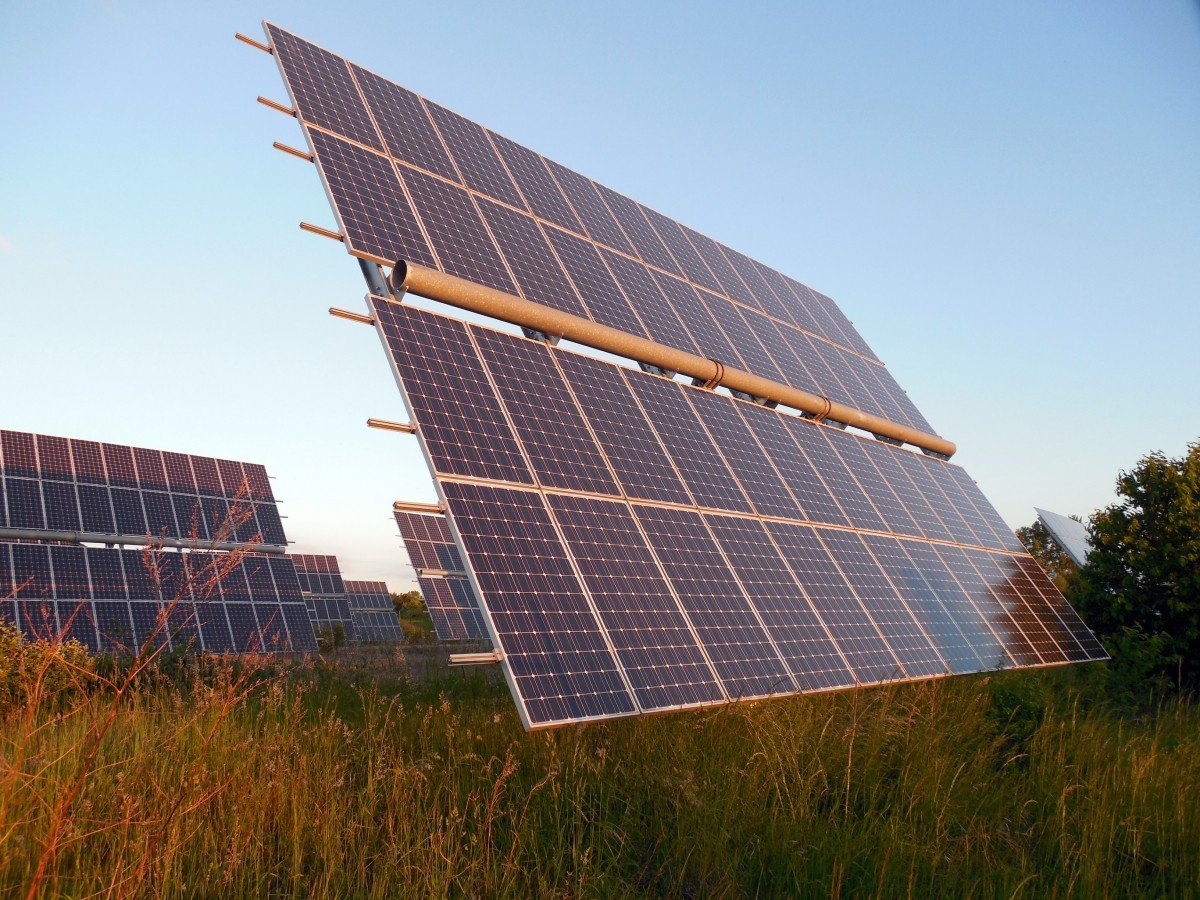
Solar energy uses photovoltaic (PV) panels to convert sunlight into electricity. Since Bangalore receives good sunlight throughout much of the year, solar power can be an effective renewable energy solution for residential, commercial and industrial applications.
Benefits of Installing a Solar Power System
1. Reduce Electricity Costs
A properly designed solar system can generate a significant portion of your daily electricity requirements and help reduce monthly electricity expenses.
2. Clean and Renewable Energy
Solar power produces electricity without directly generating the emissions associated with conventional fossil-fuel-based power generation.
3. Long-Term Investment
Solar panels are designed for long-term operation, making a solar installation a useful investment for properties with regular electricity consumption.
4. Energy Independence
Solar power can reduce dependence on grid electricity. With battery storage, users can also store generated energy for use when solar generation is unavailable.
Solar Solutions for Different Requirements
Depending on your energy requirements and location, solar solutions can include:
- On-Grid Solar Power Plants
- Off-Grid Solar Power Plants
- Hybrid Solar Power Systems
- Solar Street Lighting
- Solar Water Pumping Systems
- Micro-Inverter-Based Solar Systems
Choose the Right Solar System
The ideal system depends on factors such as electricity consumption, available roof area, budget, backup requirements and the type of electrical load.
MAP Solar Power System provides solar solutions with a focus on system design, production, installation and customer requirements.
Conclusion
Solar energy can help homes and businesses move toward cleaner and more sustainable electricity generation. If you are considering installing a solar power system in Bangalore, a professional site assessment and system design can help you select a suitable solution.
2. On-Grid vs Off-Grid vs Hybrid Solar System: Which One Do You Need?
Choosing the right solar power system is an important decision when planning a solar installation. The three common options are On-Grid, Off-Grid and Hybrid Solar Power Systems. Each system works differently and is suitable for different electricity requirements.
On-Grid Solar Power System
An on-grid solar system is connected to the electricity grid. Solar panels generate electricity during the day, and the generated power can be used by the property.
Suitable for:
- Homes
- Offices
- Shops
- Commercial buildings
- Industries
One of the key advantages is that battery storage may not be required, depending on the system design and applicable electricity arrangements.
Off-Grid Solar Power System
An off-grid solar system operates independently from the electricity grid. It generally uses batteries to store electricity generated by the solar panels.
Suitable for:
- Remote locations
- Farmhouses
- Agricultural properties
- Areas with unreliable grid supply
- Applications requiring independent power
The system needs to be properly sized to handle both daytime generation and stored-energy requirements.
Hybrid Solar Power System
A hybrid solar system combines solar generation, battery storage and grid connectivity. Depending on the system configuration, solar energy can be used for loads, stored in batteries or supplemented by the grid.
Suitable for:
- Homes requiring backup
- Offices
- Commercial properties
- Businesses with critical electrical loads
Quick Comparison
| Feature | On-Grid | Off-Grid | Hybrid |
|---|---|---|---|
| Grid connection | Yes | No | Yes |
| Battery | Usually optional/not required | Required | Usually included |
| Backup during grid outage | Generally no | Yes | Yes |
| Suitable for remote areas | Limited | Yes | Depending on design |
| Energy storage | Optional | Yes | Yes |
How to Select the Right System?
Before choosing a solar system, consider:
- Monthly electricity consumption
- Available installation area
- Grid availability
- Backup requirements
- Type of electrical loads
- Future electricity requirements
- Installation budget
MAP Solar Power System can help customers evaluate their requirements and select an appropriate solar solution.
Conclusion
There is no single solar system suitable for every property. On-grid, off-grid and hybrid systems each have different applications. A professional assessment can help determine the right configuration for your electricity needs.
3. Solar Water Pumping Systems: A Sustainable Solution for Agriculture
Water pumping is an essential requirement for agriculture, farms and rural properties. Traditional pumps can create ongoing electricity or fuel expenses. Solar water pumping systems provide an alternative by using solar energy to operate water pumps.
What Is a Solar Water Pumping System?
A solar water pumping system uses solar panels to generate electricity for operating a water pump. Depending on the application, the system can be designed for different water sources, pumping requirements and installation conditions.
Key Benefits
1. Uses Renewable Energy
Solar energy is a renewable source of power and can be used to operate pumps during periods of sunlight.
2. Reduced Dependence on Grid Electricity
Solar pumping can be useful in locations where grid electricity is limited or unreliable.
3. Suitable for Agricultural Applications
Solar pumps can be used for irrigation and other water requirements, subject to suitable system design and water-source conditions.
4. Lower Fuel Dependence
Solar-powered pumping can reduce reliance on diesel-powered pumps, helping users avoid regular fuel consumption.
Where Can Solar Water Pumps Be Used?
Solar water pumping systems can be considered for:
- Agricultural farms
- Irrigation
- Gardens
- Rural properties
- Livestock water supply
- Farmhouses
- Remote locations
Factors to Consider Before Installation
A solar pumping system should be designed according to:
- Water requirement
- Pump capacity
- Water-source depth
- Required pumping head
- Distance for water delivery
- Available sunlight
- Solar panel capacity
A professional assessment is important to ensure that the pump and solar array are properly matched to the application.
MAP Solar Power System
MAP Solar Power System provides solar energy solutions including solar water pumping systems. The company focuses on designing and installing solar solutions according to customer requirements.
Conclusion
Solar water pumping can provide a practical renewable-energy option for agricultural and rural water requirements. Proper system sizing and installation are essential for reliable performance and efficient operation.
4. Solar Street Lighting: A Smart Renewable Lighting Solution
Street lighting is essential for roads, residential communities, campuses, industrial areas and public spaces. Solar street lighting systems offer a renewable alternative by using solar energy to power outdoor lighting.
How Does Solar Street Lighting Work?
A solar street light generally consists of:
- Solar panel
- LED light
- Battery
- Solar charge controller
- Pole and mounting structure
During daylight hours, the solar panel generates electricity and charges the battery. After sunset, the stored energy can be used to operate the LED light.
Benefits of Solar Street Lights
1. Renewable Energy
Solar street lights use sunlight as their primary energy source.
2. Reduced Grid Dependence
Because the system generates and stores its own energy, it can reduce dependence on conventional grid power for outdoor lighting.
3. Suitable for Different Locations
Solar street lighting can be installed in locations such as roads, campuses, parking areas, farms and community spaces, subject to site conditions.
4. LED Lighting Technology
LED lights provide efficient illumination and can be combined with appropriately sized solar panels and batteries.
Applications of Solar Street Lighting
Solar street lighting can be used for:
- Residential layouts
- Highways and roads
- Industrial areas
- Schools and colleges
- Parking areas
- Resorts
- Farmhouses
- Commercial properties
- Rural locations
What Should You Check Before Installation?
The right system depends on factors such as:
- Required lighting level
- Pole height
- Location and available sunlight
- Operating hours
- Battery capacity
- Solar panel capacity
- Road or area dimensions
MAP Solar Power System
MAP Solar Power System provides solar street lighting solutions along with on-grid, off-grid and hybrid solar power systems. Professional planning and installation can help ensure that the lighting system is appropriately designed for the location.
Conclusion
Solar street lighting combines renewable energy with efficient LED technology to provide outdoor illumination without relying entirely on conventional electricity. For suitable locations, it can be an effective solution for sustainable lighting requirements.